Certificate in Phlebotomy
Introduction
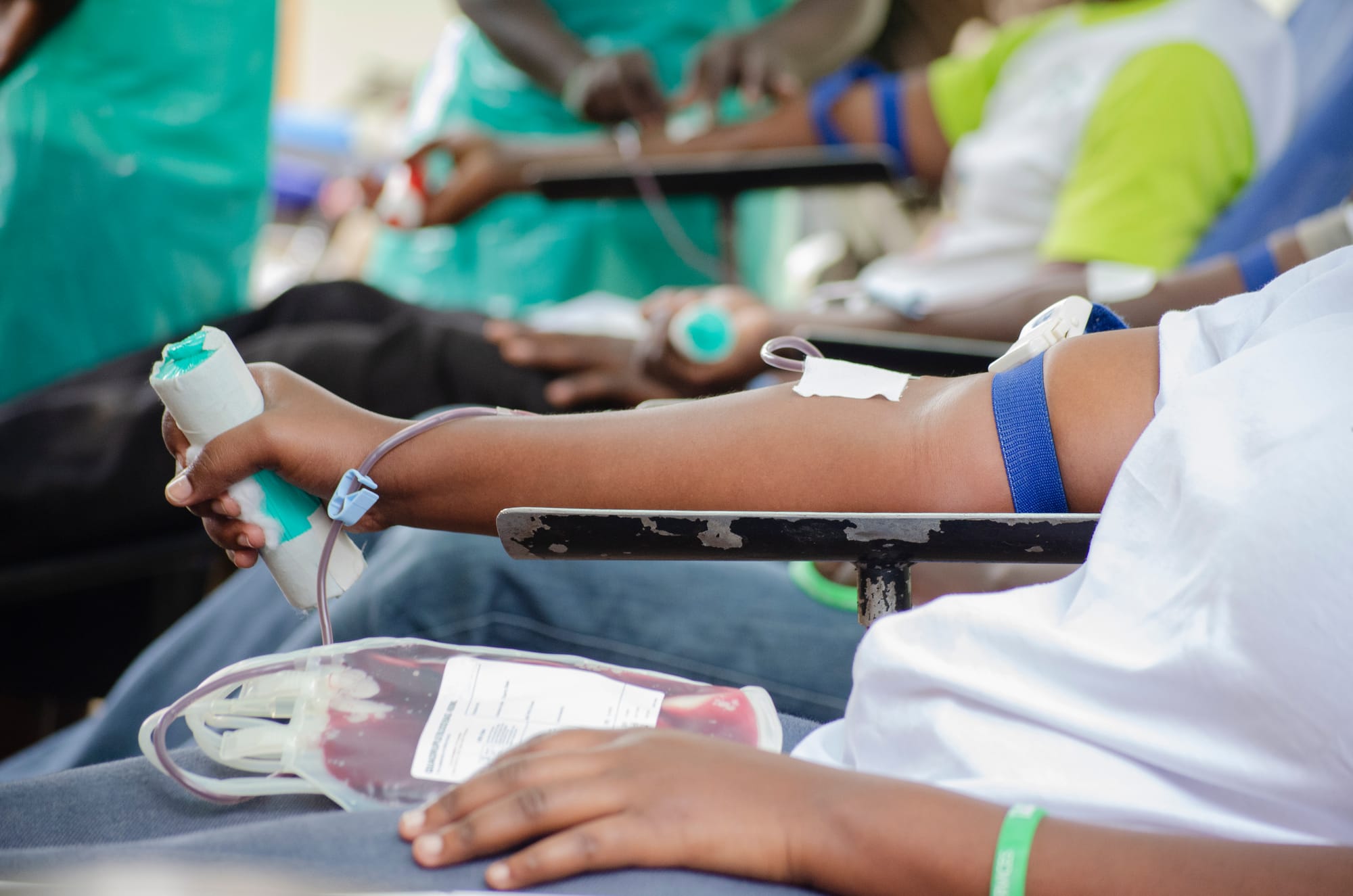
The Certificate in Phlebotomy is a practical and career-oriented program designed to equip learners with the technical skills, knowledge, and professional ethics required to safely collect, handle, and process blood samples in healthcare settings. This course is ideal for individuals interested in laboratory support, patient care, and entry-level healthcare roles.
Foundational Knowledge
- Learn the basics of human anatomy, physiology, and circulatory system relevant to phlebotomy.
- Understand medical terminology, infection control, and workplace safety in laboratory and clinical environments.
- Gain knowledge of blood-borne pathogens, disease transmission, and standard precautions.
Practical Phlebotomy Skills
- Develop hands-on skills in venipuncture, capillary puncture, and specimen collection.
- Learn proper labeling, handling, storage, and transportation of blood samples.
- Acquire techniques for preparing patients, minimizing discomfort, and ensuring safety.
- Practice maintaining sterile techniques, hygiene, and proper disposal of sharps and biohazard materials.
Patient Care and Communication
- Develop effective communication skills to interact with patients of all ages.
- Learn strategies for reducing patient anxiety, providing instructions, and addressing concerns.
- Understand documentation, reporting, and accurate record-keeping in laboratory operations.
Health, Safety, and Professional Ethics
- Understand occupational safety, personal protective equipment (PPE) use, and infection prevention.
- Learn professional ethics, confidentiality, and adherence to regulatory standards.
- Maintain workplace professionalism, hygiene, and appropriate conduct.
Scope of Practice in Phlebotomy
- Understand the roles and responsibilities of phlebotomists in hospitals, laboratories, clinics, blood banks, and research institutions.
- Learn teamwork and collaboration with nurses, laboratory technicians, and other healthcare professionals.
Preparation for Certification
- Receive guidance on practical assessments and theory examinations required for phlebotomy certification.
- Participate in mock practical sessions and review exercises to build confidence and competence.
Career Development and Employability Skills
- Learn job readiness skills such as CV preparation, interview techniques, and workplace professionalism.
- Explore career opportunities in clinical laboratories, hospitals, outpatient clinics, research centers, and blood donation units.
- Understand pathways for further healthcare education and specialization.
Course Format
The Certificate in Phlebotomy is delivered through a combination of classroom instruction, practical demonstrations, supervised laboratory practice, and assessments. The curriculum aligns with recognized healthcare and vocational training standards.
Target Audience
- Individuals seeking entry-level phlebotomy and laboratory support skills.
- Aspiring clinical laboratory assistants or healthcare support staff.
- Healthcare workers wishing to formalize or upgrade their phlebotomy skills.
Conclusion
The Certificate in Phlebotomy equips learners with essential technical skills, patient care competence, and professional ethics required for safe and effective blood collection and laboratory support. Graduates are well-prepared to work in clinical, laboratory, and community health settings, making this program a pathway to a rewarding healthcare career.
