Certificate in Caregiving
Introduction
The Certificate in Caregiving is a comprehensive and practical program designed to equip learners with essential caregiving knowledge, hands-on care skills, and professional ethics required to support individuals in healthcare, home care, and community settings. This course is ideal for individuals passionate about helping others, including the elderly, children, persons with disabilities, and those in need of daily living support.
Foundational Knowledge
- Learn the basics of human anatomy and physiology relevant to caregiving.
- Understand common health conditions, aging processes, and special care needs.
- Gain knowledge of infection prevention, hygiene, and safety practices in care environments.
Practical Caregiving Skills
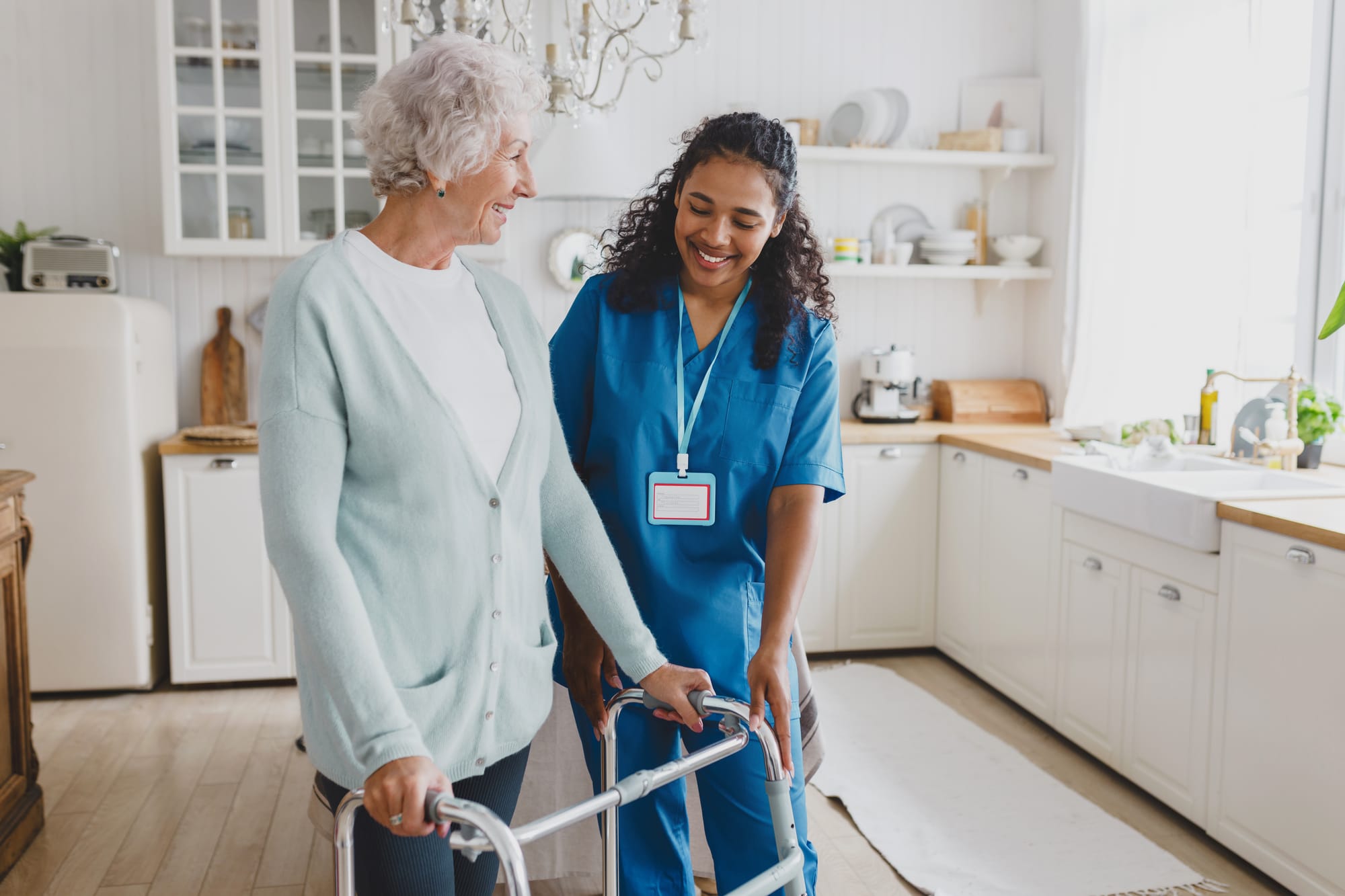
- Develop hands-on skills in assisting with activities of daily living (ADLs) such as bathing, feeding, dressing, and mobility.
- Learn vital signs monitoring, basic first aid, and emergency response.
- Practice safe patient handling, positioning, and body mechanics.
- Learn basic nutrition, meal preparation, and medication support (within caregiver scope).
Communication and Interpersonal Skills
- Develop effective communication skills for interacting with clients, families, and healthcare professionals.
- Learn emotional support techniques, empathy, and respectful care approaches.
- Understand documentation and reporting procedures.
Health, Safety, and Professional Ethics
- Understand caregiver roles, boundaries, and ethical responsibilities.
- Learn client rights, confidentiality, and informed consent.
- Practice workplace safety and risk prevention.
Cultural Sensitivity and Inclusive Care
- Appreciate cultural diversity and individual differences in caregiving.
- Learn to provide person-centered and culturally sensitive care.
Scope of Practice in Caregiving
- Understand the roles and responsibilities of caregivers in homes, hospitals, care centers, and community programs.
- Learn teamwork and collaboration with nurses, doctors, and social workers.
Preparation for Certification
- Receive guidance on theory and practical assessments required for caregiving certification.
- Participate in mock assessments and review sessions to build confidence and competence.
Career Development and Job Readiness
- Learn job search strategies, CV writing, and interview skills for caregiving roles.
- Explore employment opportunities locally and internationally in caregiving and home care services.
- Understand pathways for career advancement and further healthcare training.
Course Format
The Certificate in Caregiving is delivered through a blend of classroom instruction, skills demonstrations, practical training, and supervised assessments. The curriculum is designed to meet recognized caregiving and vocational training standards.
Target Audience
- Individuals seeking entry-level caregiving skills.
- Aspiring home care aides and support workers.
- Those interested in local or international caregiving opportunities.
Conclusion
The Certificate in Caregiving equips learners with essential care skills, compassion, and professionalism required to support individuals in need of daily care and assistance. Graduates are well-prepared to work in home care, healthcare facilities, and community settings, making this course a meaningful pathway into a rewarding and impactful career.
