Certificate in BLS acls
Introduction
The Certificate in BLS & ACLS is a specialized and practical program designed to equip healthcare professionals and learners with essential life-saving skills for managing cardiac and respiratory emergencies. This course is ideal for nurses, doctors, paramedics, emergency responders, and other healthcare providers seeking to improve their emergency response competencies.
Foundational Knowledge
- Learn the principles of cardiopulmonary physiology and emergency response protocols.
- Understand medical terminology, vital signs monitoring, and recognition of life-threatening conditions.
- Gain knowledge of emergency equipment, medications, and patient assessment techniques.
Basic Life Support (BLS) Skills
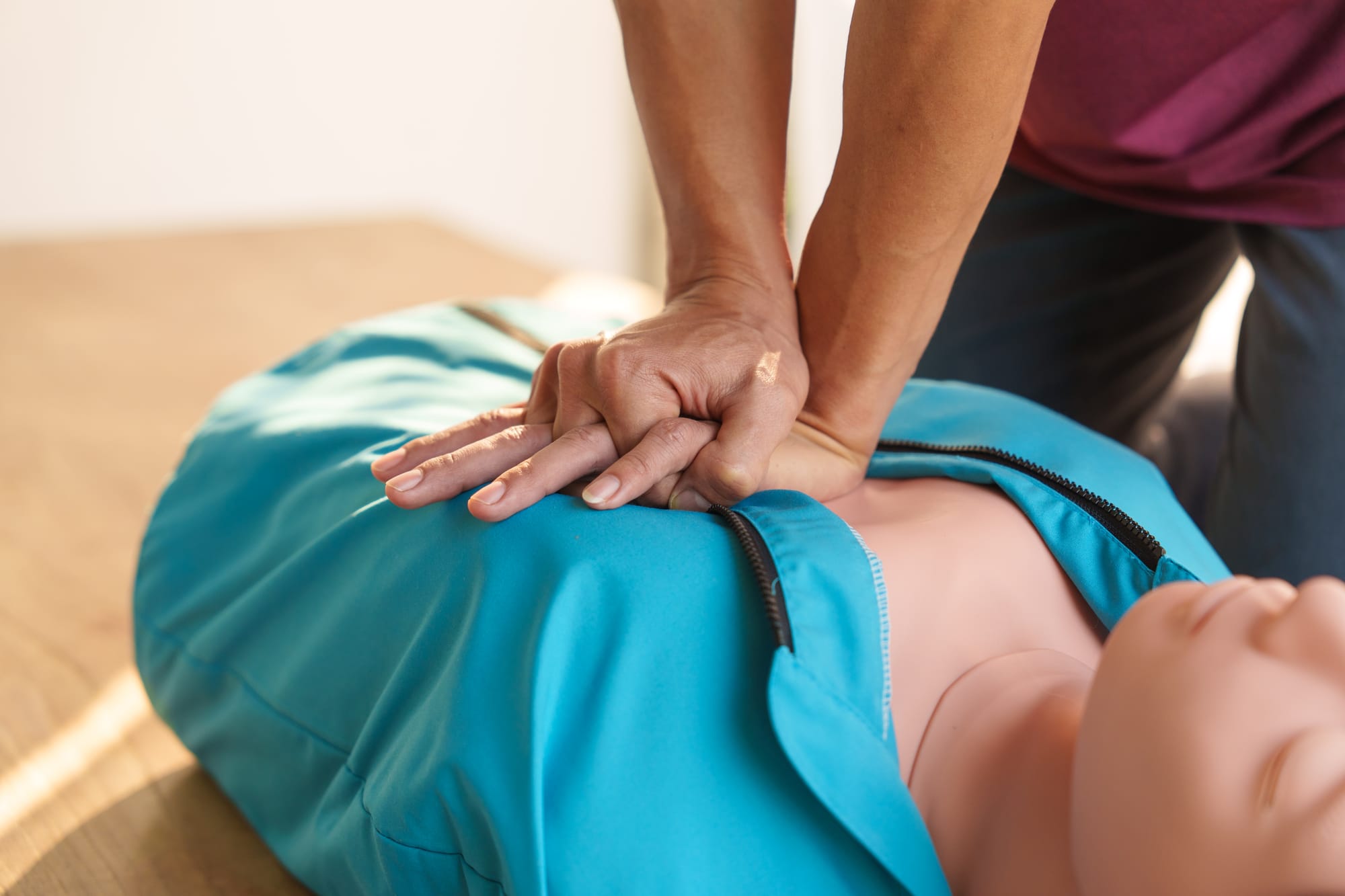
- Develop hands-on skills in cardiopulmonary resuscitation (CPR) for adults, children, and infants.
- Learn choking relief techniques, automated external defibrillator (AED) usage, and emergency response procedures.
- Practice team-based BLS and rapid patient assessment in simulated scenarios.
Advanced Cardiovascular Life Support (ACLS) Skills
- Learn to recognize and manage cardiac arrest, arrhythmias, and acute coronary syndromes.
- Develop skills in advanced airway management, drug administration, and defibrillation.
- Practice team leadership, coordination, and critical decision-making in emergency situations.
Communication and Teamwork
- Develop effective communication skills for coordinating emergency response with healthcare teams.
- Learn leadership and collaboration techniques during high-pressure scenarios.
- Understand documentation, reporting, and patient handover in emergency care.
Health, Safety, and Professional Ethics
- Understand infection control, occupational safety, and patient protection during emergency procedures.
- Learn ethical considerations, patient rights, and professional conduct in life-saving interventions.
- Maintain professionalism and composure in high-stress situations.
Scope of Practice in BLS & ACLS
- Understand the roles and responsibilities of BLS and ACLS certified personnel in hospitals, clinics, emergency response units, and community health programs.
- Learn teamwork and effective patient management in critical care environments.
Preparation for Certification
- Receive guidance on practical skills assessment and written examinations required for BLS and ACLS certification.
- Participate in simulated emergency scenarios and mock assessments to enhance confidence and competence.
Career Development and Employability Skills
- Learn to apply BLS and ACLS knowledge in clinical practice, emergency response, and community health settings.
- Enhance employability for roles in hospitals, ambulances, emergency care units, and healthcare organizations.
- Explore further specialization and continuous professional development in critical care.
Course Format
The BLS & ACLS Certificate is delivered through a combination of theoretical instruction, hands-on simulations, scenario-based training, and practical assessments. The curriculum aligns with recognized healthcare and resuscitation standards.
Target Audience
- Healthcare professionals seeking certification or recertification in BLS and ACLS.
- Nurses, doctors, paramedics, and emergency responders.
- Students and healthcare staff seeking advanced life support skills.
Conclusion
The Certificate in BLS & ACLS equips learners with essential life-saving skills, clinical competence, and professional ethics required to respond effectively to cardiac and respiratory emergencies. Graduates are prepared to deliver high-quality emergency care in hospitals, clinics, and community health settings, making this program a critical stepping stone for a career in healthcare and emergency response.
